
Protecting Pakistan’s Wetlands Ecosystem
Where land meets water, life flourishes. Wetlands are among the planet’s most productive and biologically rich ecosystems — natural systems that filter water, store carbon, buffer floods, and sustain countless species. At MAKES Pakistan, we help communities, institutions, and conservationists understand, study, and protect these vital landscapes.

Freshwater Marshes
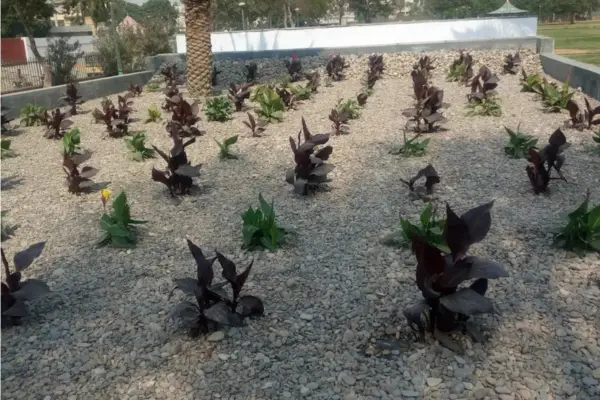
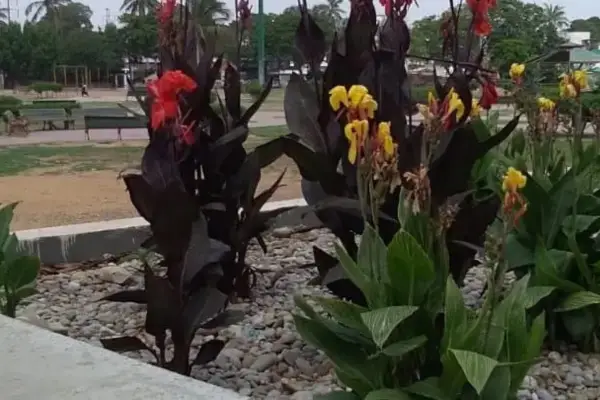
Reed beds, ponds, and shallow open water rich in hydrophytes and wildlife.
Coastal Mangroves
Tidal forests that protect shorelines, store “blue carbon,” and shelter fisheries.
Understanding Wetlands Ecosystems
A wetlands ecosystem is a transitional zone between land and water where soil is saturated or covered by shallow water for all or part of the year. These conditions create one of the richest and most productive natural systems on Earth — home to specialised plants, animals, and microorganisms found nowhere else.
Wetlands deliver services that no engineered system can fully replicate: they purify water, recharge aquifers, absorb floodwaters, store vast amounts of carbon, and shelter an extraordinary share of global biodiversity. Yet they are also among the most threatened habitats on the planet. This resource explains what wetlands are, why they matter, the species and processes they support, the threats they face, and how they can be studied, conserved, and restored.
Key Takeaways
- Wetlands are transitional zones between land and water, defined by hydrology, hydric soils, and water-adapted plants.
- They rank among the most productive and biodiverse ecosystems on Earth, comparable to rainforests and coral reefs.
- Key services include water purification, flood control, shoreline protection, groundwater recharge, and carbon storage.
- Wetlands are disappearing faster than any other major ecosystem, mainly due to drainage, pollution, and climate change.
- Conservation and restoration protect water, food security, and livelihoods — for both wildlife and future generations.
What Is a Wetlands Ecosystem?
A wetlands ecosystem is an area where water — fresh, brackish, or salt — saturates the soil long enough to shape its plant communities, soil chemistry, and animal life. The defining feature is water at or near the surface, which produces low-oxygen (anaerobic) soils and favours water-adapted vegetation called hydrophytes.
Ecologists identify a wetland by three core indicators working together: hydrology (the presence and movement of water), hydric soils (waterlogged soils low in oxygen), and hydrophytic vegetation (plants adapted to wet conditions). When all three are present, the area functions as a wetland regardless of its size or location.
Wetland Ecology and Conservation
Wetland ecology is the study of how living organisms interact with water, soil, and one another within these saturated environments. Conservation applies that knowledge to protect, manage, and restore wetlands so they keep providing clean water, flood protection, and habitat. Together, ecology and conservation form the scientific foundation for sustainable wetland management.
Main Characteristics of a Wetlands Ecosystem
Wetlands share a distinctive set of features that set them apart from purely terrestrial or aquatic systems. The key characteristics include:
- Waterlogged or saturated soils with little available oxygen, creating anaerobic conditions.
- Hydrophytic vegetation such as reeds, sedges, rushes, and mangroves adapted to flooding.
- High biological productivity, rivalling rainforests and coral reefs.
- Nutrient cycling and sediment trapping that naturally filter water.
- Fluctuating water levels driven by rainfall, tides, rivers, or groundwater.
A common question is why wetland soils have low oxygen levels. When soil is flooded, water fills the pore spaces that would normally hold air, and oxygen diffuses through water roughly 10,000 times more slowly than through air. Microbes quickly consume the remaining oxygen, leaving the soil anaerobic — which is why wetland plants evolve specialised tissues to transport air to their roots.
Types of Wetlands and How They Are Classified
Wetlands are classified mainly by their water source, salinity, and vegetation. The four widely recognised categories are marshes, swamps, bogs, and fens, with additional coastal types such as mangroves and estuaries. The table below summarises the major types.
| Wetland Type | Water & Setting | Typical Vegetation |
|---|---|---|
| Marsh | Freshwater or saltwater, frequently flooded | Grasses, reeds, sedges, rushes |
| Swamp | Freshwater, forested and waterlogged | Trees and woody shrubs |
| Bog | Rain-fed, acidic, low-nutrient | Sphagnum moss, peat-forming plants |
| Fen | Groundwater-fed, mildly alkaline | Grasses, sedges, wildflowers |
| Mangrove | Coastal, brackish, tidal | Salt-tolerant mangrove trees |
| Estuary | Where rivers meet the sea, brackish | Salt marsh grasses, seagrasses |
Where Are Wetlands Found?
Wetlands occur on every continent except Antarctica, from tropical deltas to Arctic tundra. They form wherever water collects and lingers: along river floodplains and lake margins, in coastal deltas and tidal zones, in mountain seeps, and in low-lying inland basins. Examples of natural wetlands include the Indus Delta, the Sundarbans mangroves, the Florida Everglades, and the peat bogs of northern Europe.
Biodiversity in Wetland Ecosystems
Wetlands are among the most biologically diverse ecosystems on Earth because they combine abundant water, sunlight, and nutrients, creating habitat for a remarkable range of plants, animals, and microbes. This productivity is why coastal wetlands are often compared to rainforests and coral reefs as global biodiversity hotspots.
Plants of Wetland Ecosystems
Wetland plants, or hydrophytes, are adapted to live in saturated, low-oxygen soils. Common examples include reeds, cattails, sedges, rushes, water lilies, mangroves, and sphagnum moss. Hydrophytes anchor sediment, oxygenate the root zone, and form the productive base of the wetland food web.
Animals of Wetland Ecosystems
Wetlands shelter an exceptional variety of animals: waterfowl and wading birds, amphibians such as frogs and salamanders, reptiles including turtles and crocodiles, fish, and countless invertebrates. Many migratory birds depend on wetlands as breeding grounds and resting stops along global flyways.
Microorganisms of Wetland Ecosystems
Bacteria, fungi, and other microorganisms drive the chemistry of wetlands. They decompose organic matter, recycle nutrients, and perform processes such as denitrification that remove excess nitrogen from water — making microbes essential to a wetland’s natural purification function.
Adaptations That Help Wetland Species Survive
Life in waterlogged conditions requires special adaptations. Plants develop aerenchyma (air-filled tissue) and aerial roots to breathe in oxygen-poor soils, while many animals have webbed feet, waterproof feathers, or the ability to move between water and land. These adaptations explain how wetland communities thrive where most species could not.
Ecosystem Services Wetlands Provide
Wetlands deliver ecosystem services worth far more than the land they occupy. They clean water, control floods, protect coastlines, recharge groundwater, store carbon, and support fisheries and food production. Below are the most important services and how they work.
How Wetlands Improve and Purify Water Quality
Wetlands act as natural filters. As water moves slowly through dense vegetation, sediments settle out, plants take up dissolved nutrients, and microbes break down pollutants. This is how wetlands remove excess nutrients such as nitrates and phosphorus, preventing the algal blooms and oxygen depletion that damage rivers, lakes, and coastal waters. Engineered systems modelled on these processes, known as constructed wetlands, are increasingly used for natural wastewater treatment.
How Wetlands Control Floods and Protect Shorelines
Wetlands behave like natural sponges, absorbing and slowly releasing floodwater to reduce downstream flooding. Coastal wetlands and mangroves dissipate wave energy and trap sediment, protecting shorelines from erosion and shielding communities from storm surges — a frontline defence against climate-driven extreme weather.
How Wetlands Support Water Security and Climate Resilience
By storing water and recharging aquifers, wetlands help combat water scarcity during dry periods. Peatlands and mangroves also lock away enormous amounts of carbon, helping to regulate the climate. Maintaining healthy wetlands therefore strengthens both water security and long-term climate resilience. Healthy wetlands are a cornerstone of effective climate adaptation strategies.
Threats to Wetland Ecosystems
Wetlands are disappearing faster than any other major ecosystem, with a large share lost over the past century. The major threats are largely human-driven and often act together:
- Drainage and land conversion for agriculture, housing, and industry.
- Pollution from fertilisers, sewage, plastics, and industrial waste.
- Water diversion and over-extraction that starves wetlands of inflow.
- Climate change, sea-level rise, and altered rainfall patterns.
- Invasive species that displace native plants and animals.
- Unsustainable resource use such as overfishing and overgrazing.
Wetland Conservation and Restoration
Wetlands can be conserved and restored through a combination of legal protection, sustainable management, and active rehabilitation through ecosystem restoration and nature-based solutions. Effective approaches include protecting remaining wetlands from drainage, restoring natural water flows, replanting native vegetation, controlling pollution at the source, removing invasive species, and engaging local communities who depend on wetland resources.
Conservation matters not only for wildlife but for people. Protecting wetlands safeguards drinking water, food security, flood protection, and livelihoods — benefits that extend to future generations who will inherit these landscapes and depend on the services they provide.
The Ramsar Convention and Wetlands in Pakistan
The Ramsar Convention is an international treaty adopted in 1971 in Ramsar, Iran, dedicated to the conservation and wise use of wetlands. It provides the global framework for recognising Wetlands of International Importance and committing countries to protect them. You can read more on the official Ramsar Convention website.
Pakistan is rich in wetlands, from the coastal mangroves of the Indus Delta to high-altitude lakes in the north and seasonal wetlands across the plains. As a signatory to the Ramsar Convention, Pakistan has designated numerous Ramsar sites that support migratory birds, fisheries, and millions of livelihoods — making wetland conservation a national priority.
Studying and Researching a Wetlands Ecosystem
Wetland ecosystem research examines the structure, function, and health of a wetland — its water, soil, plants, animals, and the interactions among them. Whether for a school assignment or a professional assessment, a strong study follows a clear, systematic process.
How to Conduct a Wetland Ecosystem Research Project
A student or researcher analysing a wetland typically works through these steps: define the question and study site, map the wetland and its boundaries, measure key variables (water quality, soil, vegetation, and wildlife), record observations over time, and interpret how the components interact. A complete project should include a wetland ecosystem map, species lists, data on water and soil, an analysis of ecosystem services, and conservation recommendations.
How to analyse a wetland ecosystem, step by step:
- Choose your site and define a clear research question or hypothesis.
- Map the wetland — sketch or use satellite imagery to mark boundaries, water bodies, and vegetation zones.
- Measure abiotic factors such as water depth, pH, temperature, and soil type.
- Survey biotic components — record the plants, animals, and signs of wildlife you observe.
- Analyse interactions: food webs, nutrient cycling, and the ecosystem services the wetland provides.
- Draw conclusions and propose conservation actions based on your findings.
What to include in a wetland ecosystem project: a labelled wetland map, species lists, water and soil data, an analysis of ecosystem services, identified threats, and conservation recommendations. A simple hand-drawn or digital map helps visualise vegetation zones and water flow, making your analysis clearer.
Key Components, Structure, and Function of a Wetland Ecosystem
The key components of a wetland ecosystem are its abiotic elements (water, soil, sunlight, and nutrients) and biotic elements (producers, consumers, and decomposers). Its structure refers to how these parts are arranged — vegetation zones, water depth, and food webs — while its function refers to the processes they carry out, such as energy flow, nutrient cycling, and water purification.
How MAKES Pakistan Supports Wetland Ecosystems
MAKES Pakistan works with students, educators, communities, researchers, and organisations to learn about, study, and protect wetland ecosystems. Our approach combines clear environmental education with hands-on field experience and sound ecological science — turning curiosity and awareness into knowledge and lasting conservation outcomes. Learn more about our broader environmental services.
- Wetland education and awareness for students and communities.
- Ecosystem study and field research support, including mapping and species surveys.
- Conservation and restoration guidance grounded in local conditions.
- Community engagement that connects livelihoods with stewardship.
Why Wetland Conservation Matters for the Future
Healthy wetlands underpin clean water, food security, flood protection, and biodiversity. Protecting and restoring them today ensures these benefits endure for future generations — and that the communities who depend on wetlands continue to thrive alongside them.
Learn, Explore, and Protect Wetlands With Us
Whether you are a student researching a wetland ecosystem for a project, an educator building a lesson, a community member who depends on these resources, or simply curious about the natural world, there is a way to get involved. Explore our resources to learn more, or reach out to study, conserve, and protect the wetlands around you.
Frequently Asked Questions
What is a wetlands ecosystem?
A wetlands ecosystem is an area where soil is saturated or covered by shallow water for all or part of the year, creating low-oxygen soils, water-adapted plants, and a highly productive community of wildlife and microorganisms.
Why are wetlands important?
Wetlands purify water, control floods, protect shorelines, recharge groundwater, store carbon, and support exceptional biodiversity — services that benefit both nature and people.
Why are wetlands among the most productive and biologically diverse ecosystems?
Wetlands combine abundant water, sunlight, and nutrients, which fuels rapid plant growth and supports a vast range of species, rivalling rainforests and coral reefs in productivity.
What are the main types of wetlands?
The main types are marshes, swamps, bogs, and fens, along with coastal wetlands such as mangroves and estuaries. They are classified by water source, salinity, and vegetation.
Where are wetlands found?
Wetlands occur on every continent except Antarctica — along rivers, lakes, and coasts, in deltas and floodplains, and in inland basins, from the tropics to the Arctic.
How do wetlands improve water quality?
As water moves slowly through wetland vegetation, sediments settle, plants absorb nutrients, and microbes break down pollutants, removing excess nitrates and phosphorus and purifying the water.
How do wetlands help control floods?
Wetlands act like sponges, absorbing and slowly releasing floodwater, while coastal wetlands dissipate wave energy and reduce storm surge, lowering flood and erosion risk.
Why do wetland soils have low oxygen levels?
When soil is flooded, water replaces air in the soil pores and oxygen diffuses very slowly through water. Microbes use up the remaining oxygen, leaving the soil anaerobic.
What is the difference between wetlands and estuaries?
An estuary is a specific type of coastal wetland where freshwater rivers meet the salty sea, creating brackish water. All estuaries are wetlands, but not all wetlands are estuaries.
What are the major threats to wetlands?
Key threats include drainage and land conversion, pollution, water diversion, climate change and sea-level rise, invasive species, and unsustainable resource use.
How can wetlands be conserved and restored?
Wetlands can be protected through legal designation, restoring natural water flows, replanting native vegetation, controlling pollution, removing invasive species, and engaging local communities.
What is the Ramsar Convention?
The Ramsar Convention is a 1971 international treaty for the conservation and wise use of wetlands, providing the framework for recognising and protecting Wetlands of International Importance.
What are wetlands like in Pakistan?
Pakistan has diverse wetlands, from the Indus Delta mangroves to high-altitude northern lakes and seasonal plains wetlands, many designated as Ramsar sites supporting migratory birds and livelihoods.
How can a student conduct a wetland ecosystem research project?
Define the question and site, map the wetland, measure water, soil, plants, and wildlife, record observations over time, analyse how the components interact, and propose conservation actions.