
Mahfooz Alam Siddiqui RO Plant Specialist, Water Treatment & Industrial Utilities Specialist
He has devoted 32 years to advancing water quality management and industrial utilities operations across Pakistan’s leading manufacturing organizations. His work bridges regulatory compliance, engineering design, plant optimization, and hands-on field leadership.


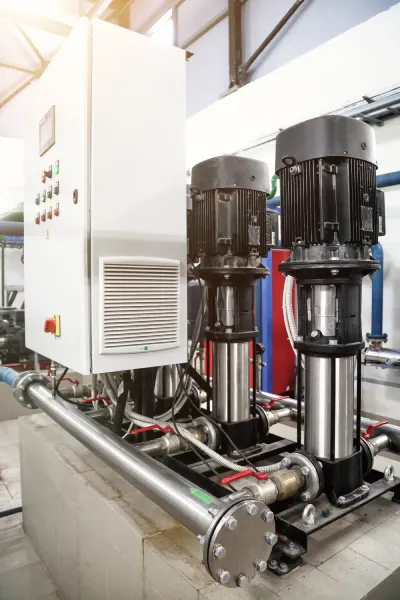
Field Experience in Industrial Water & Utilities Management
These photos reflect Siddiqui’s hands-on involvement in water treatment, RO plant, and utilities infrastructure projects across Pakistan’s textile and steel manufacturing sectors, part of the practical, field-based experience built over 32 years.
Core Expertise of Mahfooz Alam Siddiqui RO Plant Specialist
Industrial RO & Water Treatment Plants
Design, installation, and commissioning of industrial RO plants and RO water treatment plant systems, with expertise in membrane selection, pre-treatment, and plant performance optimization.


Effluent & Sewage Treatment
Effluent Treatment Plant (ETP) and Sewage Treatment Plant (STP) design, operation, and compliance, reducing industrial effluent load and meeting environmental discharge standards.
Water Recovery & Recycling Systems
Reject water reuse and recovery system design, backwash water recycling, and Zero Liquid Discharge (ZLD) process support to minimize fresh water consumption in manufacturing plants.


Utilities & Plant Infrastructure
Management of boilers, cooling towers, wells, and pumping stations, with preventive maintenance planning to keep manufacturing plant infrastructure running reliably.
Mahfooz Alam Siddiqui RO Plant Specialist Work History
About Mahfooz Alam Siddiqui RO Plant Specialist
Building a 32-year career in industrial water management and utilities operations across Pakistan’s leading manufacturing sectors.
He began his career applying his applied chemistry background to water treatment, going on to hold key roles at So~Safe Water Technologies, Artistic Fabric Mills, Artistic Denim Mills, and Aqua Dem International before joining International Steels Limited (ISL).


Since then, he has taken on progressively senior water management and utilities roles, most recently serving as Deputy General Manager, Water Management & Utilities Operations at International Steels Limited (ISL).
Mahfooz Alam Siddiqui RO Plant Specialist Services Across Pakistan
Water Quality, RO Plant & Industrial Utilities Management Expert
For the last 32 years, Mahfooz A has worked across Pakistan’s leading textile, denim, and steel manufacturing plants, engineering water treatment, recovery, and utility systems that keep large industrial operations running efficiently and sustainably.
Currently serving as Deputy General Manager – Water Management & Utilities Operations at International Steels Limited (ISL), he brings a rare combination of applied chemistry expertise, hands-on plant operations experience, and a strong track record of designing, commissioning, and running industrial RO plants, effluent treatment plants, and water recovery systems from the ground up.
Professional Experience of Siddiqui Mahfooz Alam
Over a 32-year career, he has held key water management and utilities positions across leading manufacturing organizations in Pakistan, including:
- International Steels Limited (ISL) – Deputy General Manager, Water Management & Utilities Operations
- So~Safe Water Technologies – Manager Technical Services
- Artistic Fabric Mills – Manager Utilities
- Artistic Denim Mills Ltd – Manager Utilities
- Aqua Dem International – Manager Technical
- CDWI / CDWA Canal Water Filtration Projects
- PAF Base Shahbaz, Jacobabad – Canal Water Filtration Plant
His multi-industry experience enables him to connect chemistry, engineering, plant operations, and hands-on troubleshooting into practical, reliable water and utility solutions for large-scale manufacturing facilities.
Areas of Expertise
Mahfooz specializes in a broad range of industrial water and utilities disciplines, including:
Industrial RO & Water Treatment Plants
- Design, installation, and commissioning of industrial RO plants and RO water treatment plant systems
- Pre-treatment, antiscalant dosing, and membrane fouling control
- Water purification and filtration process design
- Compliance with drinking and process water quality guidelines
- Troubleshooting and performance optimization of commercial and industrial RO plants
- Feasibility and cost evaluation for RO plant projects across industrial, commercial, and home use
- Water quality guidelines compliance and source water evaluation for industrial RO plant manufacturers and end users
Water Recovery & Recycling Systems
- Reject water reuse and recovery system design
- Backwash water treatment and recycling
- Water recovery and recycling systems to minimize fresh water consumption
- Zero Liquid Discharge (ZLD) process support and design
- Sustainable water management practices for large-scale manufacturing plants
Rainwater Harvesting & Groundwater Recharge
- Rainwater harvesting system design and implementation
- Groundwater recharge planning and well management
- Water source and infrastructure evaluation
- Tube well and pumping station installation and maintenance
- Groundwater quality monitoring and protection
- Integration of rainwater harvesting with overall plant water balance planning
Effluent & Sewage Treatment
- Effluent Treatment Plant (ETP) design, operation, and compliance
- Sewage Treatment Plant (STP) design and operation
- Wastewater treatment to meet environmental discharge standards
- Reduction of industrial effluent load through process optimization
Water Distribution & Softening Systems
- Water distribution network design and management
- Water softening and demineralization plant operation
- Firefighting water systems and hydrant network compliance (NFPA 14 & 24)
- Boilers, cooling towers, and humidification plant water treatment
Utilities & Plant Infrastructure
- Wells and pumping station management
- Asset integrity management for utilities infrastructure
- Industrial energy management for utilities operations
- Plant optimization and infrastructure upgrades
Preventive Maintenance & Continuous Improvement
- Preventive maintenance planning for RO plants, utilities, and treatment systems
- Hazard identification and control (HIRAC) for plant safety
- KAIZEN and continuous improvement initiatives
- EHS (Environment, Health & Safety) compliance and workshops
- Team leadership, technical training, and plant optimization
Field Experience Across Manufacturing Industries
He has worked across some of Pakistan’s leading textile, denim, and steel manufacturing facilities, delivering water treatment, effluent management, and utilities projects for major industrial groups.
His field experience combines:
- Hands-on plant operations across textile, denim, and steel manufacturing
- Design and commissioning of industrial water and treatment systems
- Cross-functional collaboration with production, EHS, and engineering teams
- Technical training and capacity building for site teams
- Preventive maintenance and troubleshooting expertise
- Regulatory and environmental compliance management
- Continuous improvement and plant optimization initiatives
Academic Qualifications
He holds an M.Sc in Applied Chemistry (1993, First Division) and a B.Sc Honours degree (1991, First Division), both from the University of Karachi, giving him a strong scientific foundation for his work in water treatment and industrial chemistry.
This academic grounding, combined with over three decades of practical plant experience, allows him to approach water treatment challenges with both technical depth and real-world problem-solving skills.
Training & Professional Development
Throughout his career, he has consistently invested in professional development, attending specialized workshops and training programs to stay current with evolving technologies and best practices in water treatment and utilities management.
His training record spans several key areas of industrial water and utilities management, including:
- WTP / ZLD Process Design (Water & Wastewater Treatment)
- ETP / STP Process Design
- Environmental Engineering
- Asset Integrity Management
- Fire Hydrant Systems (NFPA 14 & 24)
- Developing Managerial Competencies
- Water & Energy Conservation in the Textile Sector
- Effective Business Continuity Management
- EHS (Environment, Health & Safety) Workshop
- Industrial Energy Management
- Water for Environment & Peace
This ongoing commitment to learning keeps his technical knowledge current and strengthens his ability to train and mentor site teams on safe, efficient, and sustainable water and utility operations.
Vision
He believes that industrial growth and water sustainability must go hand in hand. His vision is to help manufacturing facilities operate as responsible water stewards, minimizing waste while meeting the demands of large-scale production.
He advocates for:
- Water conservation and recycling as standard practice in manufacturing
- Investment in RO plant and treatment plant modernization
- Reduction of industrial effluent discharge through better treatment
- Sustainable water management for long-term plant reliability
- Safe and reliable drinking water access for factory workers and communities
- Evidence-based decision-making in utilities planning
- Capacity building for the next generation of utilities engineers
- Continuous adoption of energy-efficient utility technologies
Expertise for MAKES Pakistan
As an expert associated with MAKES Pakistan, he contributes practical knowledge and guidance in:
- Industrial RO and Water Treatment Plant Design
- Water Recovery and Recycling Systems
- Effluent and Sewage Treatment Solutions
- Water Distribution and Softening Systems
- Preventive Maintenance and Asset Integrity Management
- Utilities and Plant Infrastructure Management
- Rainwater Harvesting and Groundwater Management
- Fire Hydrant and Safety Systems Compliance
- Industrial Energy and Utilities Optimization
- Environmental and EHS Compliance
- Technical Training and Capacity Building
- Research & Industry Collaboration on Water Sustainability
Professional Summary
He is a seasoned water management and industrial utilities professional with 32 years of experience spanning the textile, denim, and steel manufacturing sectors in Pakistan. As Deputy General Manager – Water Management & Utilities Operations at International Steels Limited (ISL), he leads the design, operation, and continuous improvement of industrial RO plants, water recovery systems, effluent treatment plants, and utilities infrastructure that support large-scale manufacturing operations.
His technical foundation in applied chemistry, combined with hands-on experience at ISL, So~Safe Water Technologies, Artistic Fabric Mills, Artistic Denim Mills, and Aqua Dem International, has given him a comprehensive command of water treatment, recovery, distribution, and softening systems. He has also contributed to specialized government and defense-related canal water filtration projects, including work for CDWI/CDWA and PAF Base Shahbaz, Jacobabad, making him a valuable resource within the MAKES Pakistan network for organizations seeking reliable, sustainable, and cost-effective industrial water solutions.
Frequently Asked Questions
What is a RO plant?
A reverse osmosis (RO) plant is a water treatment system that uses a semi-permeable membrane to remove dissolved salts, minerals, and impurities from water by applying pressure to push it through the membrane. RO plants are used across industrial, commercial, agricultural, and home applications to produce clean, purified water for process use, drinking, or discharge-quality effluent. see Wikipedia
What is membrane in RO plant?
The membrane is the core component of an RO plant – a thin, semi-permeable layer, usually made of polyamide, that allows water molecules to pass through while blocking dissolved salts, bacteria, and other contaminants. Membrane condition and quality directly determine the purity of treated water and the recovery rate of any industrial RO plant.
What is CIP in RO plant?
CIP (Clean-In-Place) is a scheduled cleaning process used in an RO plant to remove scaling, fouling, and organic or biological deposits from the membrane surface without dismantling the system. A properly designed CIP system in an RO plant helps restore membrane flux, extend membrane life, and maintain consistent water output over time.
What is a RO water treatment plant?
An RO water treatment plant is a complete system, comprising pre-treatment, reverse osmosis membranes, and post-treatment stages, designed to purify raw water, process water, or wastewater by removing dissolved solids, hardness, and contaminants. These plants are built for industrial process water, commercial and home drinking water, and agricultural irrigation, depending on the required capacity and design.
Why use antiscalant in RO plant?
Antiscalant is dosed into the feed water before the RO membranes to prevent scale-forming minerals, such as calcium carbonate and calcium sulfate, from precipitating on the membrane surface. Without antiscalant dosing, scaling reduces membrane efficiency, increases pressure drop across the system, and shortens membrane life, making it an essential part of reliable RO plant operation.
How to clean membrane of RO plant?
RO membranes are cleaned through a CIP (Clean-In-Place) cycle by circulating specific cleaning chemicals at low pressure, using acidic cleaners for scale and mineral fouling and alkaline cleaners for organic or biological fouling, followed by thorough flushing with permeate water. Cleaning frequency is decided based on feed water quality, differential pressure trends, and normalized permeate flow.
How to calculate RO plant efficiency?
RO plant efficiency, or recovery rate, is calculated as (permeate flow ÷ feed flow) × 100. For example, an RO plant producing 800 litres per hour of permeate from 1,000 litres per hour of feed water has an 80% recovery rate. Tracking recovery alongside salt rejection gives a complete picture of overall plant performance.
How to calculate RO plant capacity?
RO plant capacity is expressed as permeate output per hour or per day, such as litres per hour or cubic metres per day, and is calculated based on membrane flux rate, total membrane surface area, number of membrane elements installed, and the expected recovery percentage. Accurate capacity sizing ensures the plant reliably meets industrial, commercial, or agricultural water demand.