
Environmental Chemistry Expert
Dr Abida Kausar expert in Wastewater Treatment and Pollutant Removal
Expertise in developing advanced materials and adsorption-based solutions to remove heavy metals, dyes, pharmaceutical pollutants, and other contaminants from wastewater.
Environmental Water Quality Expertise
Specialized in analyzing water contaminants, assessing pollution levels, and evaluating chemical properties to support wastewater treatment and sustainable water management solutions.
Expert in Advanced Adsorbent Material Development
Specialized in designing and developing advanced adsorbent materials, including graphene oxide, chitosan, cellulose, MOFs, and nanocomposites for efficient pollutant removal and wastewater treatment applications.
Advanced Nanomaterials & Composite Materials Expertise
Expertise in developing and applying advanced nanocomposite materials, including graphene oxide, chitosan, cellulose, and MOFs, for sustainable pollutant removal and wastewater treatment solutions.


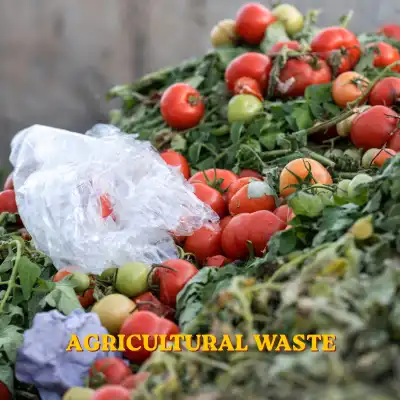
Sustainable Materials Development from Agricultural Waste Expertise
“Her expertise in wastewater treatment and adsorption-based solutions helped us solve complex pollutant removal challenges effectively.”

“Her deep knowledge of water quality analysis and pollutant assessment brought clarity and direction to our environmental research project.”

“Collaborating with Dr. Kausar on MOF and nanocomposite materials gave our sustainability project a real, research-driven advantage.”

Frequently Asked Questions About Dr. Kausar’s Expertise
What is Dr. Kausar’s area of expertise?
She specializes in environmental chemistry, focusing on wastewater treatment, pollutant removal, and the development of advanced adsorbent materials for sustainable water management.
What role do adsorbent materials play in wastewater treatment?
Adsorbent materials such as graphene oxide, chitosan, and cellulose bind to contaminants like heavy metals, dyes, and pharmaceutical residues, allowing them to be efficiently removed from wastewater.
What are MOFs (Metal-Organic Frameworks) and why are they important?
MOFs are highly porous crystalline materials with a large surface area, giving them strong pollutant-capturing ability. Their tunable structure makes them valuable for advanced wastewater purification.
How do nanocomposite materials improve pollutant removal from water?
Nanocomposites combine multiple materials at the nanoscale to boost adsorption capacity, stability, and reusability, making them highly effective at removing heavy metals and organic pollutants from water.
Why is assessing water quality important in environmental chemistry?
Assessing water quality identifies pollution levels and chemical properties in water sources, which helps guide effective treatment strategies and protect public health and the environment.
Can agricultural waste be turned into sustainable materials for water treatment?
Yes, agricultural waste can be converted into low-cost, eco-friendly adsorbents like cellulose-based composites, offering a sustainable alternative to synthetic materials for pollutant removal.