
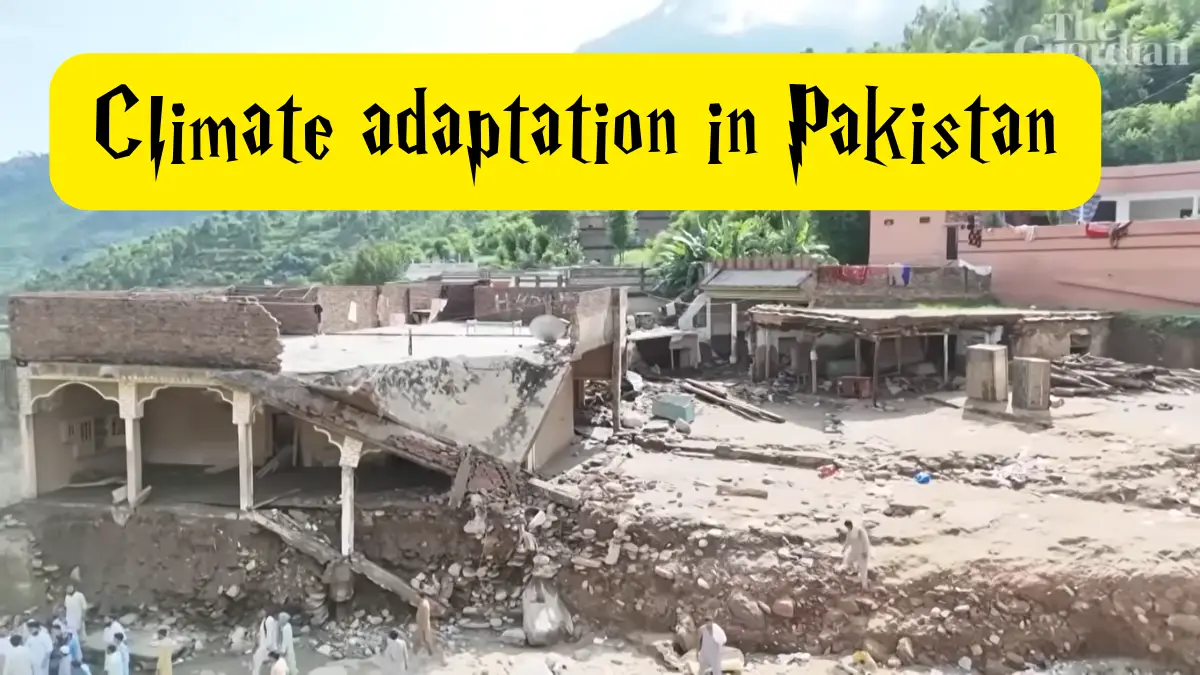
Climate adaptation in Pakistan
Climate Adaptation in Pakistan: Why It Is Important for Our Future
Climate change is not a far-away future problem anymore. Across Pakistan and the wider region, it is already reshaping the lives of farmers in Sindh and Punjab, families in Lahore housing societies, fishing communities along the Karachi coast, and mountain villages in Khyber Pakhtunkhwa.
Every year brings harsher heatwaves, more violent floods, unpredictable monsoon rainfall, drought spells and serious damage to food production.
This is why climate adaptation in Pakistan and climate resilience have moved to the centre of planning for our governments, local communities, businesses and ordinary households.
Climate adaptation means making changes so that people and systems can live more safely with the effects of a warming world. It does not replace the work of cutting pollution and greenhouse gas emissions, which remains essential.
But even if the world reduces emissions quickly, many climate impacts will continue for decades because the planet has already warmed. That is why adaptation must run side by side with climate mitigation.
Climate mitigation reduces the cause of climate change, while climate adaptation reduces the damage from it. Both are necessary.
Without adaptation, low-income families, smallholder farmers, women, children and elderly people face the heaviest risks, especially in developing countries like ours where resources are already stretched thin.
What Is Climate Change Adaptation?
Climate change adaptation is the process of preparing people, infrastructure, agriculture, water systems, health systems and ecosystems for climate-related risks.
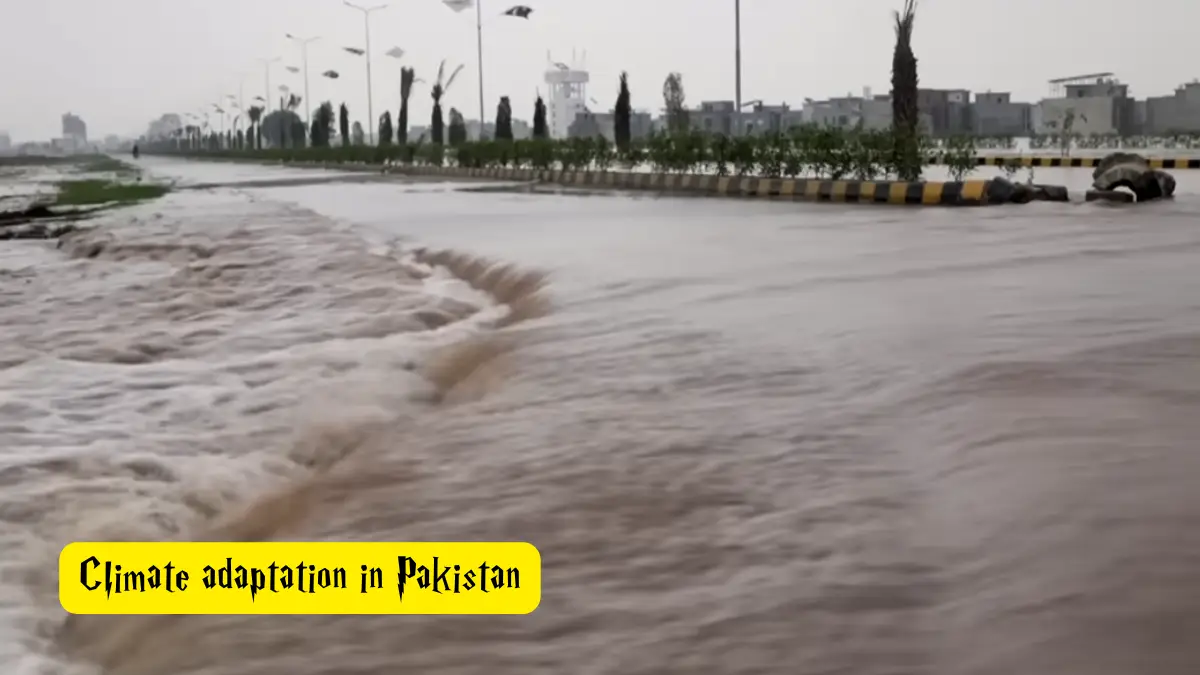
These risks include floods, storms, extreme heat, sea-level rise, drought, water shortage, food insecurity, crop failure, landslides and damage to homes and roads.
Local-Level Adaptation
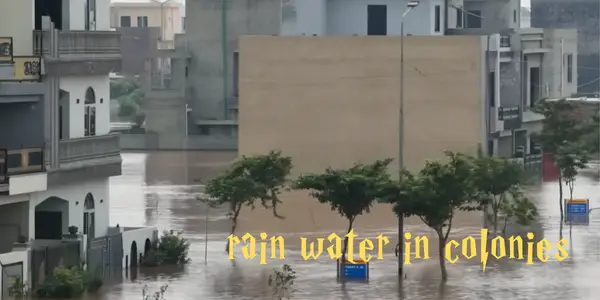
At the local level, adaptation can mean planting drought-resistant crops, improving drainage in colonies, storing rainwater, making houses more flood-safe, using climate-smart farming methods and building community-based disaster plans.
City-Level Adaptation
At the city level, it can mean better urban planning, heatwave shelters, stronger flood protection, more trees, improved waste management and faster emergency response systems — the very gaps that turned recent monsoon rains into urban disasters.
National-Level Adaptation
At the national level, climate adaptation includes stronger policies, early warning systems, climate risk maps, disaster risk reduction plans, insurance for climate losses, protection of coastal infrastructure, and investment in resilient roads, bridges, schools and hospitals.
It also includes protecting wetlands, forests and mangroves, because nature itself works as a strong defence against climate shocks. Adaptation is not one single project — it is a complete way of planning development in a changing climate.
Why Climate Adaptation in Pakistan Is Now Urgent
The world is becoming warmer, and this warming is changing weather patterns in almost every region. Many places face heatwaves more intense than ever before.
Some areas receive too much rainfall in a short time, triggering floods, while others endure long dry seasons, water stress and crop losses. Coastal communities face rising seas and stronger storm surges.
A farmer in rural Punjab no longer knows when the monsoon will arrive, so he cannot decide when to sow. A family in a Lahore “dream society” wakes up to find the entrance to their home blocked by water. A fisherman near the coast watches his catch shrink year after year. These are the human faces of a changing climate.
Developing countries are especially vulnerable because they depend heavily on agriculture, fisheries, forests and natural resources, and their infrastructure is often too weak for extreme weather.
Many communities also lack proper access to climate information, insurance, finance and modern technology. This creates a dangerous gap between climate risk and climate preparedness.
Adaptation is therefore not only an environmental issue — it is tied to economic stability, public health, poverty reduction, food security, water management, gender equality and human safety.
Local Adaptation Measures That Can Protect Communities
Most adaptation actions begin at the local level because climate impacts are felt directly by people in their own areas.
A village facing drought needs different solutions than a coastal town facing sea-level rise, and a city facing urban heat needs different planning than a mountain area facing landslides.
Climate-Smart Agriculture for Farmers
For farming communities, climate-smart agriculture is one of the most important approaches: drought-tolerant seeds, improved soil health, regenerative farming, adjusted crop calendars, drip irrigation, water saving and crop diversification. These steps cut losses and strengthen food security.
Protecting Flood-Prone Areas
For flood-prone areas, better drainage, raised houses, flood barriers, wetland restoration and timely warning messages save lives and property. Communities can prepare evacuation plans and safe shelters so people know exactly what to do during emergencies.
Managing Heat and Water Stress
In areas facing heat stress, cities can plant more trees, create green spaces, use cool roofs, add public water points and protect outdoor workers through heat action plans.
For water-scarce regions, rainwater harvesting, better groundwater management, water recycling, improved irrigation and community-level storage build genuine water security — the foundation of climate resilience.
Role of Governments in Climate Resilience
Local action matters, but adaptation cannot succeed without strong government planning. Roads, hospitals, schools, housing projects, energy systems and agriculture policies must be designed for future climate conditions, not old weather patterns.
National Adaptation Plans (NAPs)
National Adaptation Plans help countries identify climate risks, vulnerable sectors, priority areas and long-term needs. A strong plan guides investment, attracts finance and helps departments work together.
Coordination and Climate Data
Agriculture, water, disaster management, health and urban planning departments must coordinate; when each works alone, adaptation weakens.
Governments also need reliable climate data — weather information, flood maps, drought monitoring and local risk assessments — so that farmers, planners, disaster teams and investors can act with confidence.
Early Warning Systems and Disaster Preparedness
Early warning systems are among the most practical adaptation tools. Timely warnings about floods, storms, heatwaves or drought let farmers protect crops, fishermen avoid dangerous waters, families move to safety and local authorities ready their emergency services.
But a warning only works when it reaches the right people in a way they understand and trust. In many areas this means SMS alerts, radio, local leaders, mosque announcements, community groups and social media.
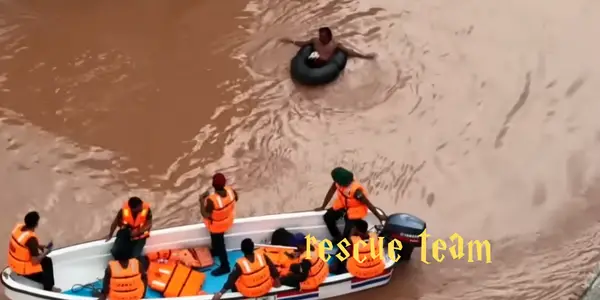
Disaster preparedness also means training communities, marking evacuation routes, keeping emergency supplies, and protecting hospitals and schools. Women, children, persons with disabilities and elderly people must be included, because they often face the highest risk during climate disasters.
Nature-Based Solutions for Climate Adaptation
Nature-based solutions are powerful for building resilience. Instead of relying only on concrete walls, countries can use natural ecosystems to reduce risk.
These solutions are often cost-effective and also support biodiversity, tourism, livelihoods and community well-being.
But they must be managed well: when forests are cut, wetlands filled or mangroves destroyed, climate risks become far worse. Nature-based adaptation is especially vital where people depend directly on land, water and forests for their income.
Main Challenges in Climate Adaptation
Finance
The biggest challenge is money. Adaptation projects need funding for planning, infrastructure, technology, training, research and community support, and many developing countries lack enough public funds.
Because flood protection, early warning systems and farmer training rarely produce quick profit, private investors hesitate — which makes public finance, international climate funds and donor support essential.
Knowledge and Institutions
A second barrier is the knowledge gap: without detailed local climate data, decision-makers cannot tell which areas and communities are most at risk.
Weak institutional capacity is another problem — policies exist on paper, but uncoordinated departments, untrained staff and missing budgets stall implementation. Good governance, transparency and local participation are the cure.
Global Cooperation and Climate Adaptation
Because climate change is global, adaptation also needs international support. The Paris Agreement recognises adaptation as being as important as cutting emissions, and the Global Goal on Adaptation aims to raise resilience and reduce vulnerability worldwide.
Climate funds such as the Green Climate Fund and the Adaptation Fund can help vulnerable nations, but many developing countries say the finance is too little and the access procedures too difficult.
Real progress needs finance that is easier to reach, more predictable and focused on the most exposed communities. Global cooperation also means sharing technology, data, research and best practices — from small island states protecting their coasts to countries restoring mangroves and upgrading weather stations.
Why Adaptation Supports Sustainable Development
Climate adaptation is strongly linked with sustainable development. A climate-resilient country better protects jobs, food systems, public health, infrastructure and natural resources.
A farmer using climate-smart methods loses fewer crops, a city with better drainage avoids flood damage, a coast with restored mangroves shields homes and fisheries, and a nation with strong early warning saves lives.
Investing now also protects future generations, because delay makes adaptation more expensive and more difficult.
How Can We Do Climate Adaptation? Practical Steps
Identify Local Climate Risks
Check what your area faces most: floods, heatwaves, drought, water shortage, crop damage or storms.
Make a Local Action Plan
Decide what needs protection first: homes, farms, schools, roads, water supply, hospitals and vulnerable people.
Improve Early Warning Systems
Use SMS alerts, weather updates, community announcements and emergency plans before disasters strike.
Build Climate-Safe Infrastructure
Construct stronger drainage, flood barriers, heat-safe buildings, water storage and safer roads.
Use Climate-Smart Farming
Adopt drought-resistant crops, better irrigation, soil protection and rainwater harvesting.
Protect Nature
Plant trees, restore wetlands, protect forests and use mangroves in coastal areas.
Arrange Funding and Training
Governments, NGOs and communities need money, awareness and proper skills to apply these solutions.
Conclusion
Climate adaptation is now a basic need for every country, especially developing nations and vulnerable communities. Its main goal is to reduce vulnerability and build resilience through climate-smart farming, early warning systems, better water management, stronger infrastructure, nature-based solutions, disaster preparedness and national adaptation planning.
But it needs finance, good data, strong governance and community involvement; without these, plans stay only on paper. Climate adaptation is no longer a choice — it is necessary for survival, development and long-term stability, and the sooner we act, the safer our future will be.
Frequently Asked Questions (FAQs) About Climate Adaptation
What is climate adaptation?
Climate adaptation is the process of adjusting our homes, farms, cities and natural systems so we can live more safely with the effects of climate change, such as floods, heat and drought.
What is the difference between climate mitigation and adaptation?
Climate mitigation reduces the cause of climate change by cutting greenhouse gas emissions, while climate adaptation reduces the damage from climate impacts that are already happening. Both are needed together.
Why is climate change adaptation important?
Adaptation is important because even with strong emission cuts, climate impacts will continue for years. It protects lives, food, water, infrastructure and livelihoods, especially for the most vulnerable communities.
What are examples of climate change adaptation measures?
Examples include drought-resistant crops, drip irrigation, rainwater harvesting, flood barriers, better drainage, heat action plans, early warning systems, mangrove restoration and resilient roads and buildings.
What are the main climate change adaptation strategies?
Key strategies are identifying local risks, climate-smart agriculture, early warning systems, climate-safe infrastructure, nature-based solutions, national adaptation planning, and arranging finance and training.
What is climate adaptation and resilience?
Climate adaptation is the action of preparing for climate risks, while climate resilience is the ability of people, systems and ecosystems to absorb shocks, recover quickly and keep functioning despite climate stress.